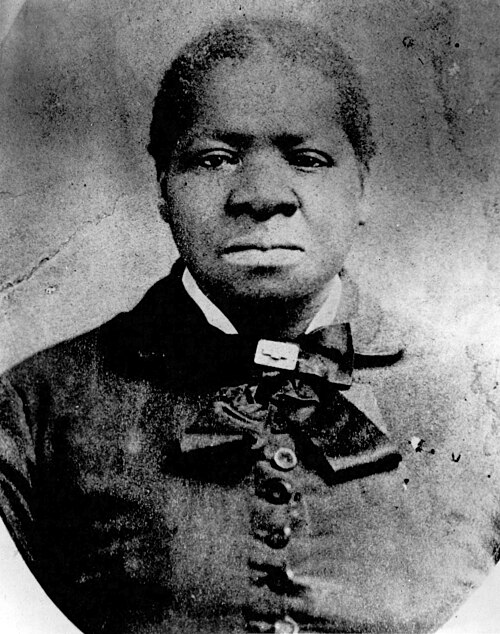

























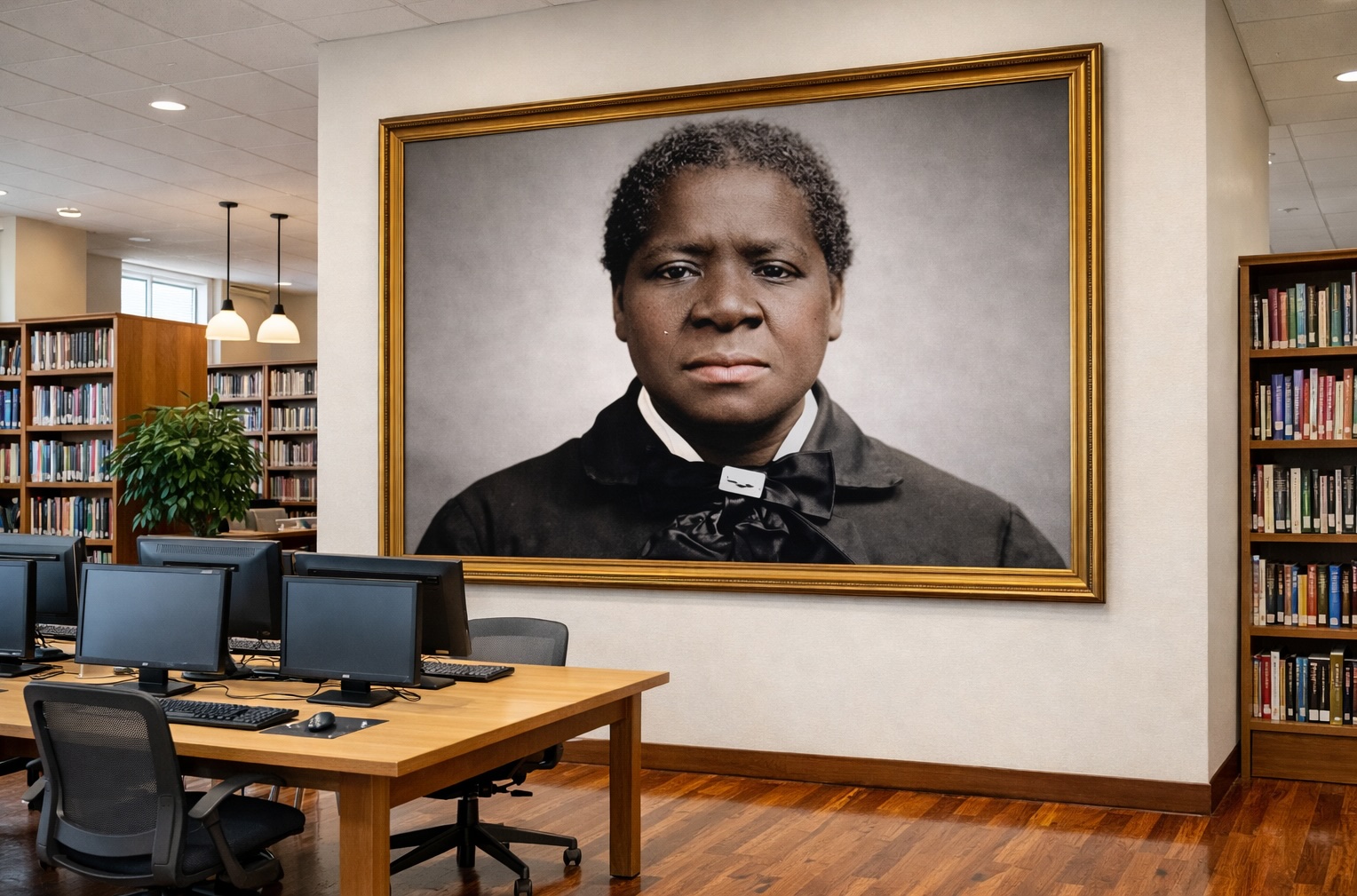
In the story of modern Los Angeles, certain names are widely known. Yet the foundation of this city was laid not only by railroad barons and oil tycoons—but by formerly enslaved Black pioneers whose labor, faith, courage, and entrepreneurship shaped its economic and moral infrastructure. Among them stands Bridget “Biddy” Mason (1818–1891)—a woman whose life represents freedom won, land claimed, wealth built, and community uplifted.
Biddy Mason was born enslaved in 1818 in the Deep South. She could not read or write. She did not inherit wealth. She did not begin with rights. Yet she became one of the most successful early landowners in Los Angeles and is widely recognized as the first Black female millionaire in Los Angeles history.
Learn more about her life here:
https://en.wikipedia.org/wiki/Biddy_Mason
And explore a short overview via TikTok here:
https://www.tiktok.com/t/ZP89EffeY/
Journey to Freedom and the West
Mason’s early life was marked by forced migration and endurance. Enslaved by Robert Smith, a Mormon convert, she was compelled to walk nearly 2,000 miles from Mississippi to Utah and later to San Bernardino, California. Along this journey she:
-
Herded livestock
-
Cooked for the traveling party
-
Delivered babies as a skilled midwife
-
Cared for both enslaved and enslaver families
California entered the Union in 1850 as a free state. Yet Smith continued to hold Mason and her daughters in bondage. With support from free Black Angelenos and white abolitionists, Mason courageously challenged her enslavement in court.
On January 21, 1856, the Los Angeles District Court ruled in her favor. She and 13 extended family members were declared free. That court case was not just personal liberation—it was an early civil rights victory in Los Angeles.
Building Wealth and Community
After gaining freedom, Mason moved to Los Angeles and worked as a nurse and midwife. She was known across racial lines for her skill, compassion, and professionalism. She saved her earnings diligently.
In 1866, though illiterate and signing documents with an “X,” Mason purchased land on Spring Street in what is now downtown Los Angeles. That decision would transform her into a real estate visionary.
Over time, her property value increased dramatically. She built rental units and invested wisely. By the time of her death in 1891, her estate was valued at approximately $300,000—equivalent to millions today.
This was not accidental success. It was strategy, discipline, and faith.
The Woman Who Helped Anchor Black Los Angeles
Mason did not accumulate wealth for herself alone. She reinvested in people.
She was instrumental in founding First African Methodist Episcopal (AME) Church of Los Angeles in 1872—the city’s first Black church. Early meetings were held in her home. That church became a spiritual, political, and cultural anchor for generations of Black Angelenos.
Her philanthropy extended beyond race. During the 1884 flood, she opened a grocery credit account to provide food for affected residents—regardless of background. She funded education. She visited prisoners. She provided shelter for the homeless.
She was affectionately called “Aunt Biddy” and “Grandma Mason.”
Eight Enduring Contributions to Los Angeles
-
Freedom Litigator: Won a landmark freedom case in 1856.
-
Entrepreneur: Became one of the wealthiest early Black landowners in the city.
-
Real Estate Visionary: Purchased prime Spring Street property in 1866.
-
First Black Female Millionaire in L.A.: Built generational-level wealth.
-
Church Founder: Helped establish First AME Church of Los Angeles (1872).
-
Philanthropist: Fed the hungry, sheltered the homeless, supported flood victims.
-
Education Advocate: Helped fund schooling for Black children.
-
Community Builder: Strengthened the early African American foundation of the city.
Today, Biddy Mason Memorial Park stands near her former homestead, featuring an 81-foot timeline of her life. A section of Spring Street is designated “Biddy Mason Legacy Corner.”
Yet the question remains: why do so few major streets, schools, and landmarks prominently carry her name?
Who Really Built Modern Los Angeles?
In the 1800s, Black Americans were ranch owners, builders, agricultural laborers, midwives, tradespeople, and entrepreneurs. They helped construct early infrastructure, cultivate land, and stabilize communities. They laid economic groundwork before Hollywood, before aerospace, before modern real estate booms.
Historical census records show that the Black population in Los Angeles was small but economically significant in the 19th century. Later, during the Great Migration of the early 20th century, Black residents increased dramatically, building neighborhoods like Central Avenue into cultural powerhouses.
Yet by 2026, the Black population percentage in Los Angeles has declined significantly from its 20th-century peak. Rising housing costs, redevelopment, displacement, and economic shifts have reshaped demographics.
The question is not one of replacement—but of access, equity, affordability, and historical memory.
If Biddy Mason could purchase prime land in downtown Los Angeles in 1866—while signing with an “X”—what does it say about modern barriers to ownership? What policies, market forces, and urban shifts have reduced generational footholds?
A Right to Thrive
The legacy of Biddy Mason affirms that Black Americans have deep, legitimate roots in Los Angeles. They did not arrive as afterthoughts. They were foundational.
They built homes. They built businesses. They built churches. They built wealth.
The story of Los Angeles cannot be told honestly without acknowledging pioneers like Mason—whose labor and land ownership contributed to the city’s early economic grid.
Her life demonstrates:
-
Freedom is fought for.
-
Land is power.
-
Wealth can uplift communities.
-
Faith institutions anchor neighborhoods.
-
Black history is Los Angeles history.
Why Her Story Matters in 2026
As conversations about housing equity, land ownership, and historical recognition continue, Mason’s life serves as both blueprint and reminder.
She moved from enslavement to economic autonomy.
From forced migration to property ownership.
From oppression to philanthropy.
Modern Los Angeles stands on layers of courage that often go unnamed. If streets and institutions do not always reflect that history, research and storytelling must.
Her legacy is not merely symbolic—it is structural.
Biddy Mason helped activate the moral and economic framework of early Los Angeles. Her investments helped stabilize Spring Street long before it became a financial corridor.
In honoring her, we honor a broader truth: Black Americans have always belonged in Los Angeles—not as guests, but as builders.
Goddess Couture News Research Staff